|
|
|

|
|
|||||||||
|
|

|

|
|
|||||||||
|
|

|
|
||||||||||
|
|

|

|
|
|||||||||
|
|

|
|

|
|
|
|||||||
|
|
|
|
||||||||||

|
|
|||||||||||
|
|
|
|||||||||||
|
|
|
|||||||||||
|
|
|
|||||||||||
|
|
|
|||||||||||
|
|
|
|
|
|
|
|
|
|
|
|
|
|

Weeding is mostintensive in the first few years of establishment, before the ornamental plantsdevelop. After this time removal of surplus self-seeded ornamentals is morelikely.
 True Gravel and Dry Bed Gardens
A true gravel garden is one situatedon a predominantly gravely/sandy soil, rather than simply planting on any soilmulched with gravel. The poor soil conditions and sharp drainage limit therange of plants that can be grown. Suitable grasses and plants for a gravelgarden are drought tolerant, preferring free draining, low fertile soil whichprevents the more vigorous plants from becoming too lush and smothering some ofthe slower growing plants .
.
Succulants in Dry Bed Gardens

Many Succulants Palms and Cacti thrive in the well drained environment of a gravel garden. Many are surprisingly hardy and blend well with ornamental grasses.
Gravel and Dry Bed Garden Plants.
The following selection of plants would be suitable for a gravel garden, asthey are relatively drought-resistant and require little maintenance:
Bamboos:
Sasa Palmatum
Sasa vietchi
Fargesia Robusta
Grasses and plants
Allium
Bergenia
Campsis
Trachelospermum
Cistus
Colchicum
Crambe
Crepis incana
Crinum x powellii
Cytisus
Eryngium
Euphorbia
Eragostis
Holcus
Iris unguicularis
Kniphofia
Lavandula
Melicia altissima
Miscanthus
Nepeta
Nerine bowdenii
Papaver
Pennisetum
Phlomis
Rosmarinus
Santolina
Sedum
Stipa
Thymus
Verbascum










|
|
|
|
A dry gravel garden with broad curving path ways and using drought tolerant grasses Miscanthussinensis ' Morning Light' and Pennisetum alopecuroides 'Hamelin ' inter-planted amongst Euphorbia, Hot pokers, Poppies, Thyme, Lavender and Verbascum .
Pennisetum alopecuroides 'Hamelin '
MiscanthusMorning light. aka. Eulalia grass.
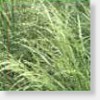
Stipatenuissima. aka. Oat grass.
Deschampsia.aka. Hair grass
Deschampsia.aka. Hair grass 'Northern lights'
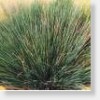
Corynephoruscanescens.
|
Easy to grow,low maintenance, drought tolerant ornamental grasses suited to gravel and dry bedgardening and their companion plants are among natures most interestingprospects. Characteristics include adaptations of the foliage, such as a thick,waxy cuticle, numerous leaf hairs or narrow, strap-like leaves. Tap roots whichcan draw up deep soil moisture are another prominent distinction, as arehummock-forming growth habits. Many bulbous plants survive the dry summerperiod by laying dormant during this time. Once established, they requirelittle attention. Ornamental grasses areextremely tough and alongside their drought tolerant companions offer anamazing and diverse range of shape, colour and seed head to choose from. Recommendedgrass varieties for dry and gravel gardens are Miscanthus sinensis 'Morning Light, Miscanthus sinensis''Zebrinus', Molinia caerula 'Karl Foerster', Stipa gigantea and Stipa tenuissima, Pennisetum alopecuroides 'Hamelin Gravel and dry garden grasses and plantsneed little except for full sunlight and good drainage. Gravel grasses and plants adapt to mostconditions and can be grow in a diversity of soil, as long as they are freedraining, and are tolerant a wide range of soil fertility and acidity. Remember
Under the gravel mulch it is important to provide another layer ofweed-suppressing materials in order to avoid your new gravel garden beinginvaded by weeds, and particularly to preserve the moisture and low maintenance qualities.You can use weed suppressing cloth available from your local garden centre,nursery, or on-line store, layers of newspaper, or cardboard, even better a thicklayer of clean straw or compost covered by newspaper and then weed suppressingcloth or membrane.
Although the prospect of a lowmaintenance, trouble free prairie garden is attractive the biggest job ingravel gardening you will face, if you are growing from see, iscontrolling weeds during the first two or three years. Grasses in particularspend the first years of their life developing their complex and evolved rootssystem while common ground weeds put all their energy into producing into aboveground growth. That's why we recommended you use good strong pot ornursery grown plants from the P&G as this is quicker and less labour intensivesolution. Gravel and dry bed gardens requireonly pruning, weeding and a mulch of 5-8 cm (2-3in) of gravel (or even bettercompost or straw covered with gravel) will retain a lot of valuable soilmoisture while plants are establishing. Gravel levels can be topped up as andwhen required. No spraying, no irrigating and little, if any, fertilizingsaving gravel gardeners loads of dosh and hours of hard work. By the third year, there is littlefor the gavel gardener to do but open a cold one, sit in the middle and enjoyit! |
|
|
|
 Grasses in Gravel and Dry Bed Planting.




Join our mail list
 andkeep abreast of what's new and what's looking good at the P&G
